Drywall Repair Services in Montebello CA
Most drywall damage we see falls into a few patterns. Foundation settling cracks appear along corners and where walls meet ceilings in homes near Bluff Road and Washington Boulevard—the…
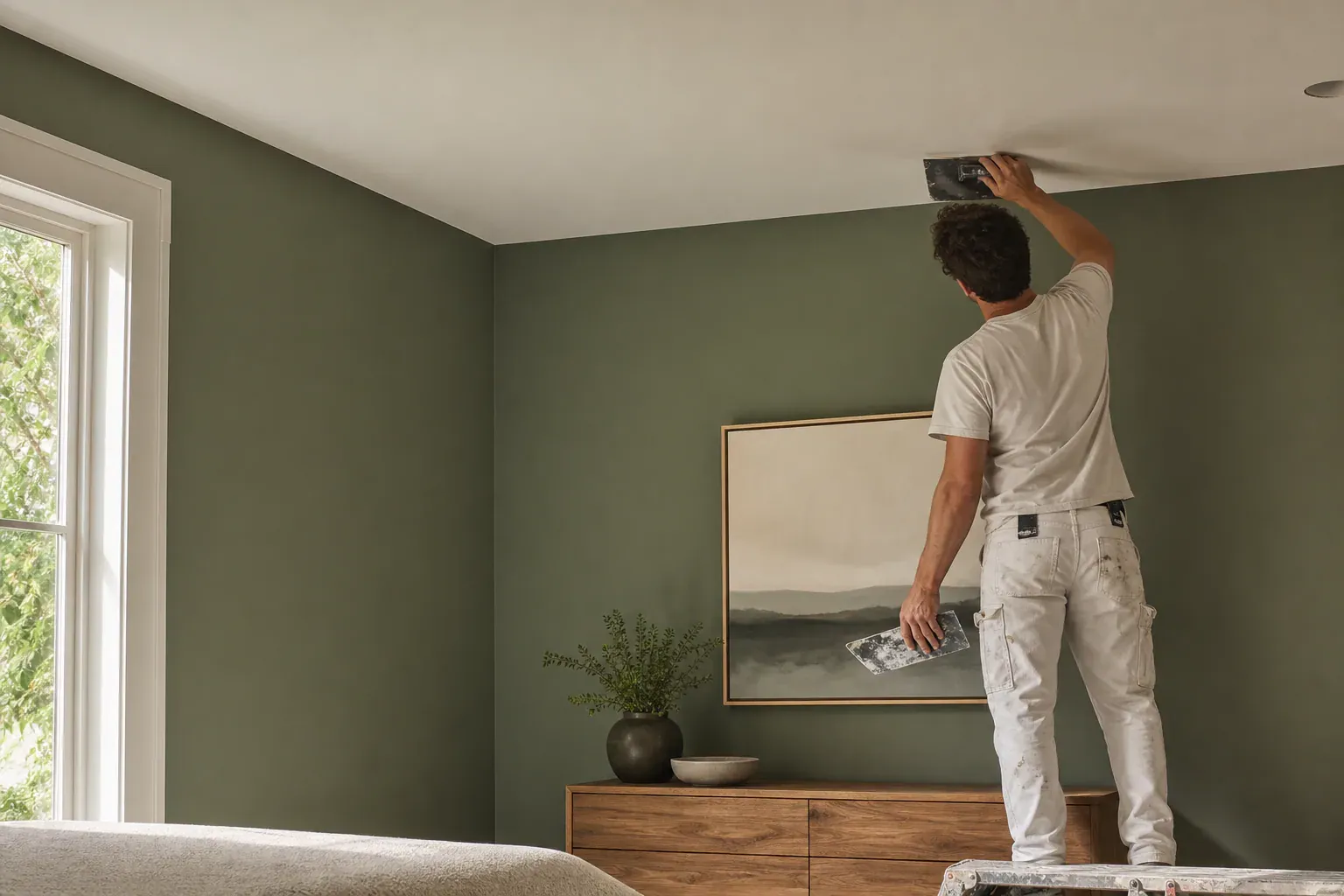
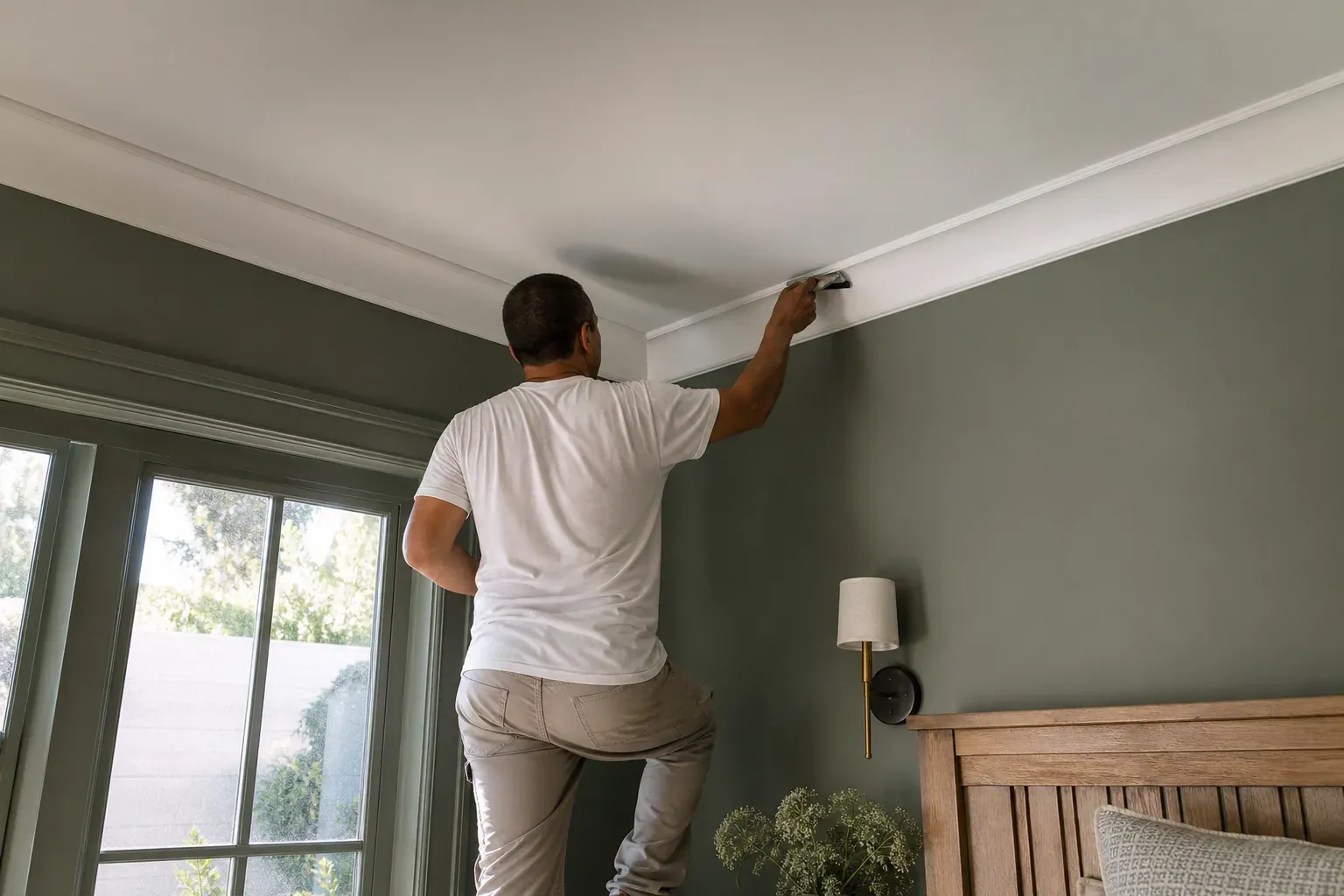
Glendale Quality Drywall installs, repairs, tapes and finishes drywall in Montebello, CA for homeowners, builders and contractors. We handle new drywall installation, crack and water damage repair, joint taping and mudding to any finish level, and texture matching on older homes where original walls need restoration or additions meet existing walls at different planes.
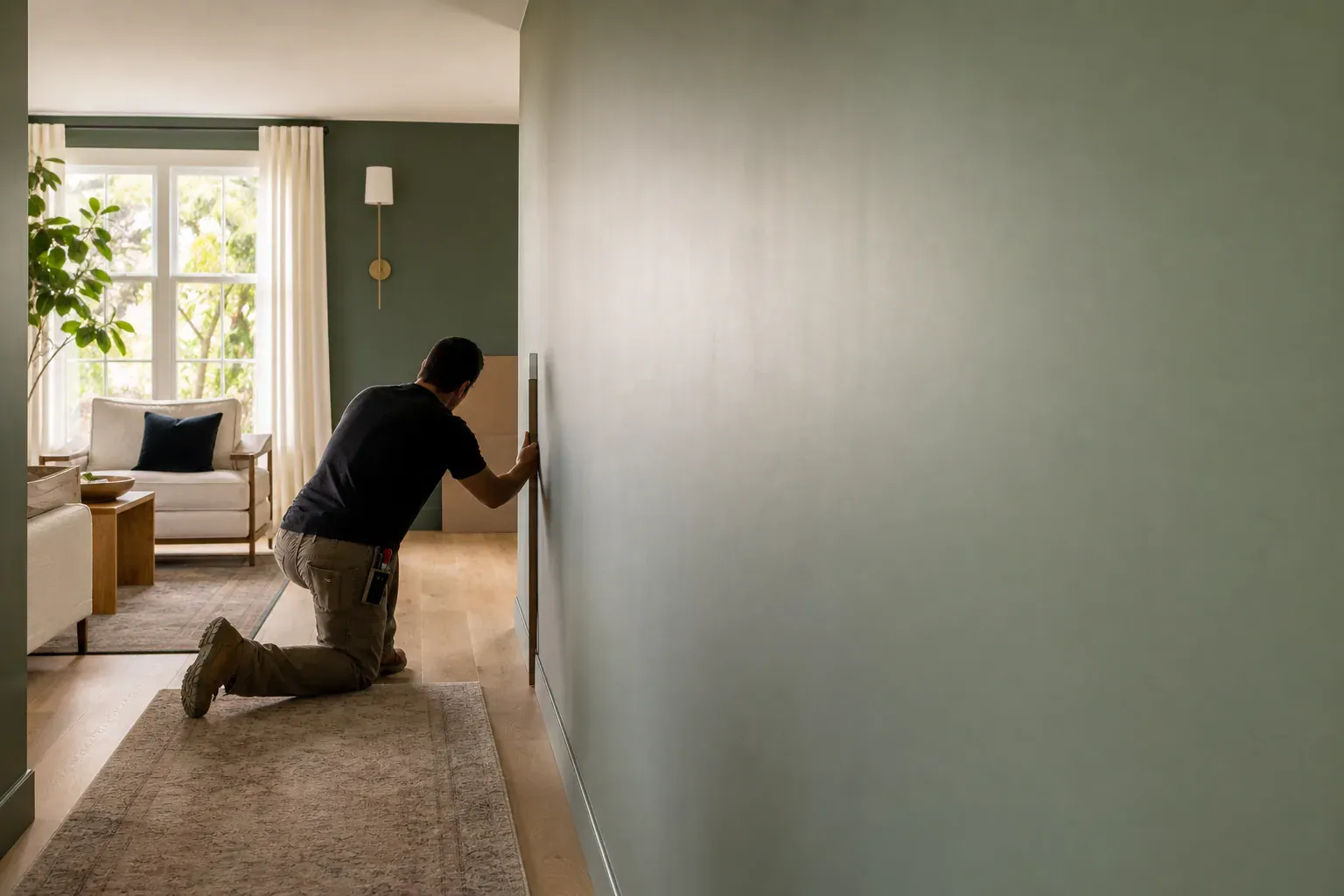
Most drywall damage we see falls into a few patterns. Foundation settling cracks appear along corners and where walls meet ceilings in homes near Bluff Road and Washington Boulevard—the older housing stock from the 1940s–60s is especially prone to this. Nail pops happen when fasteners work loose as framing wood shrinks. Water stains come from roof leaks, bathroom moisture, or plumbing failures behind walls.
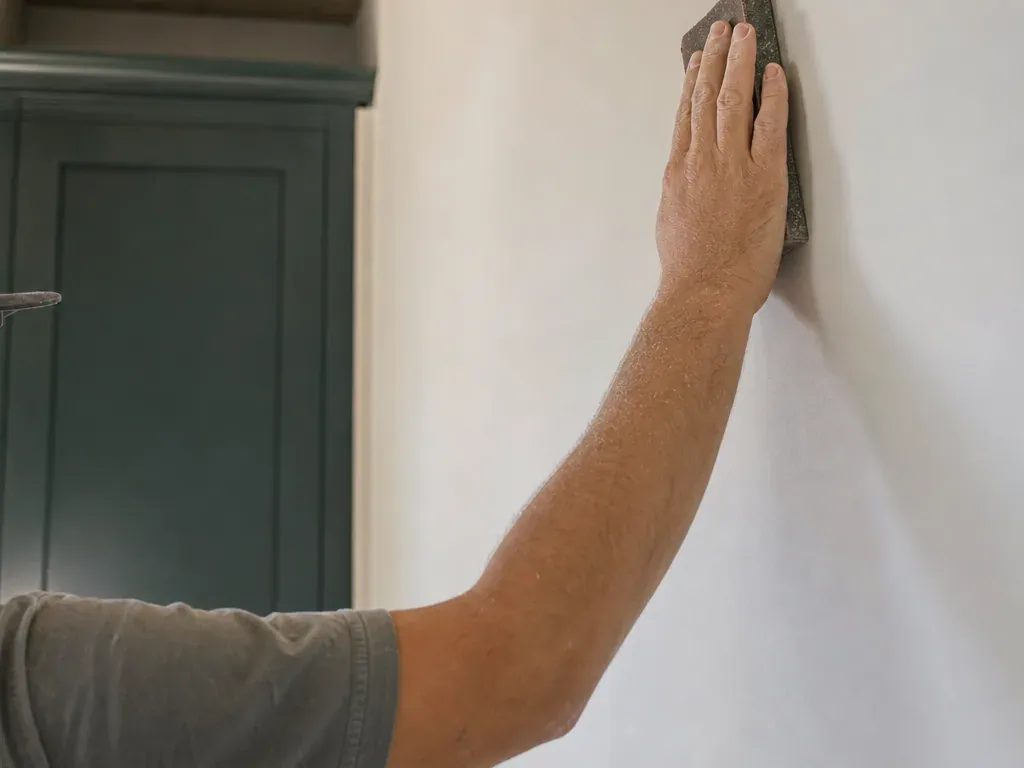
Repair starts with cutting out damaged gypsum board back to the nearest stud. For small holes we install backing with drywall anchors or screw new patches directly into the framing. Once the patch is secured, we tape the seams with joint compound and corner bead, then feather the mud in three coats with 24-hour dry time between each. We sand with 120–150 grit between coats to blend the patch into the surrounding wall.
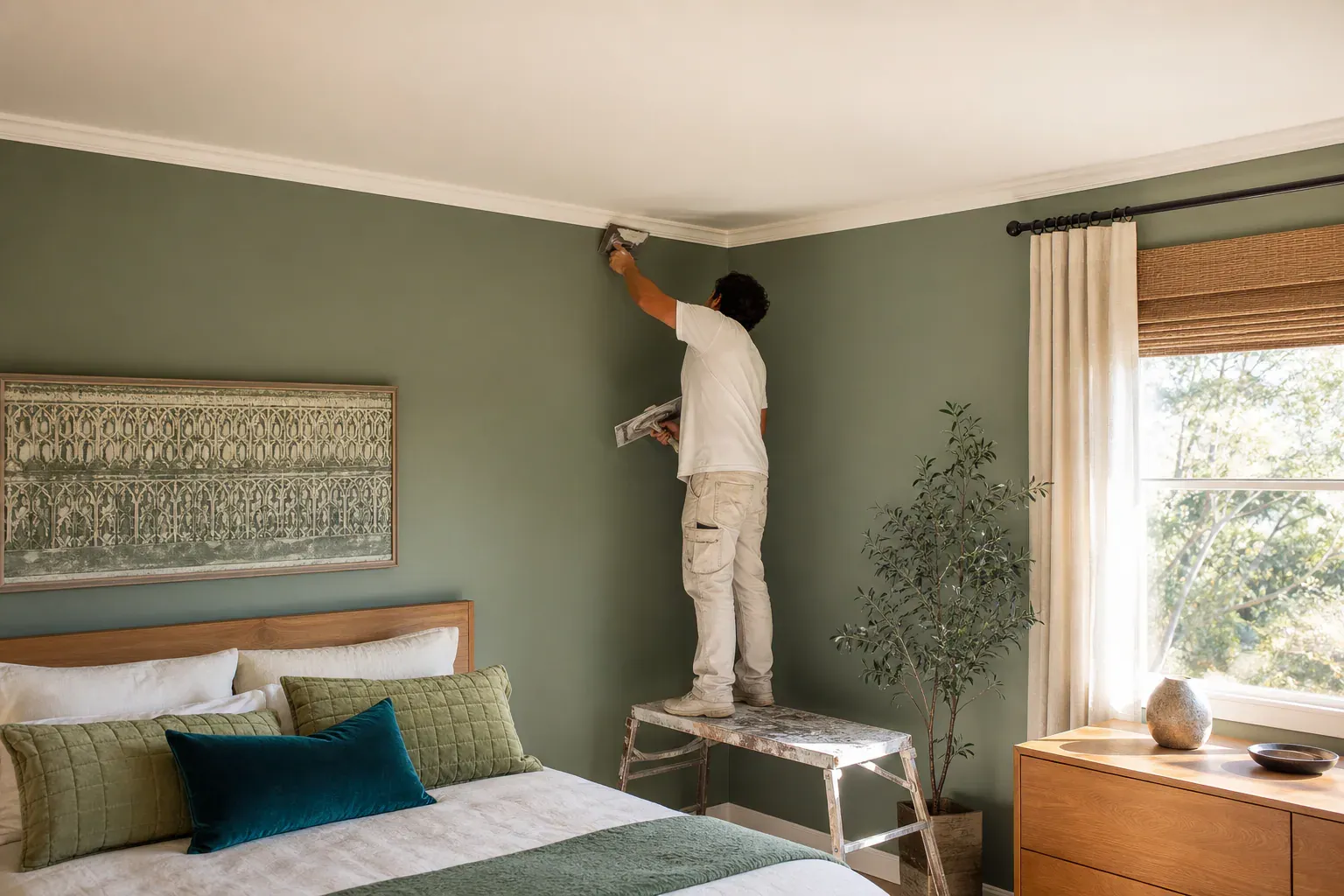
We hang drywall on metal studs and wood framing, with standard 1/2 inch gypsum board on 16 inch on-center studs for living spaces. Garages and shared walls between units require 5/8 inch Type X fire-rated drywall per code. Fasteners go 12 inches apart on the field and 8 inches on edges. Metal stud and track framing is common in commercial tenant improvements and partition walls. Job-site delivery scheduling matters when hanging large sheet counts—we coordinate timing to keep material safe and crews moving.
The three-coat process starts with a tape coat to embed joint compound into mesh tape over seams. The fill coat builds coverage, and the finish coat feathers the joint smooth. Between each coat, drywall sheets shrink slightly and compound dries, so we wait the full 24 hours before sanding and applying the next layer.
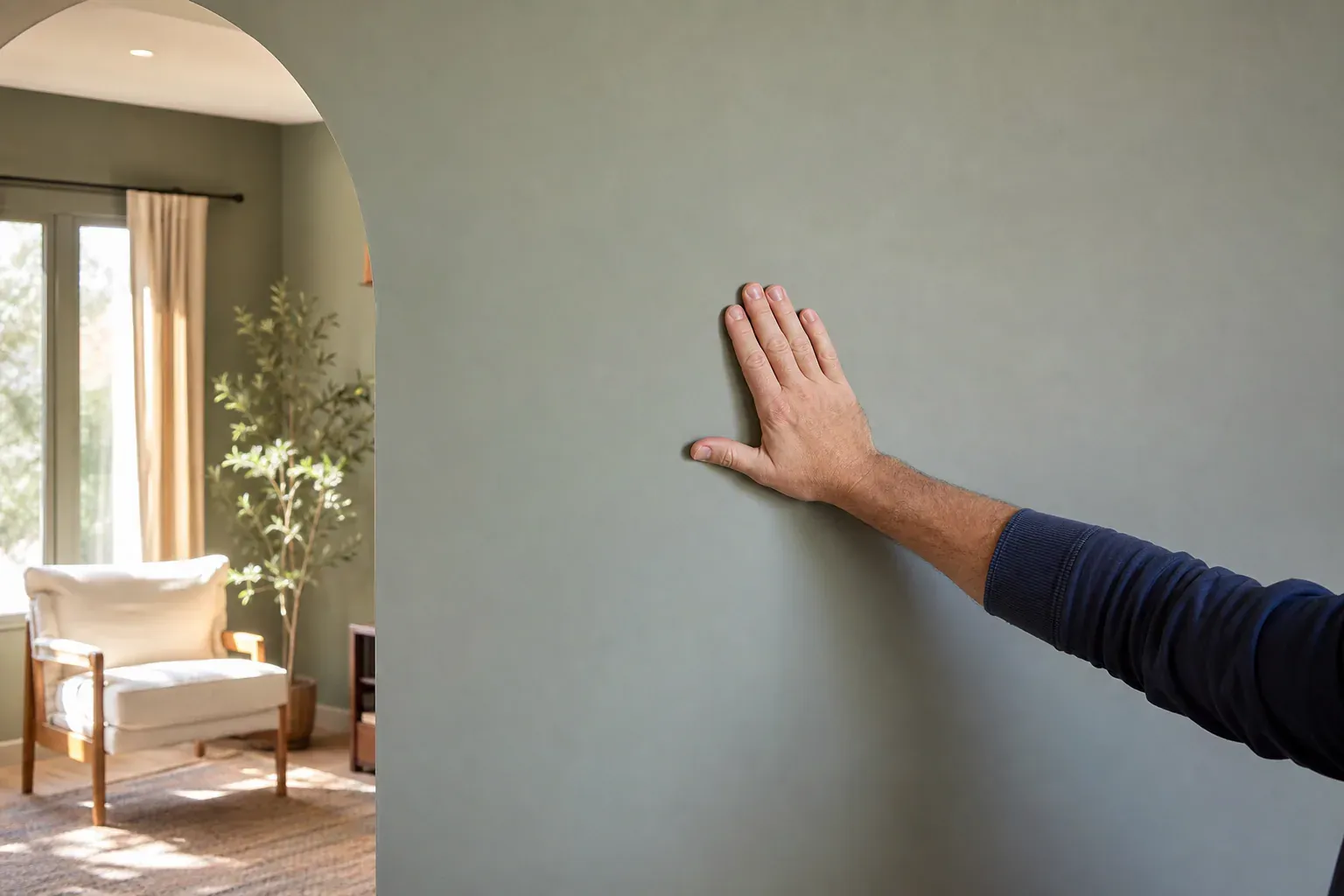
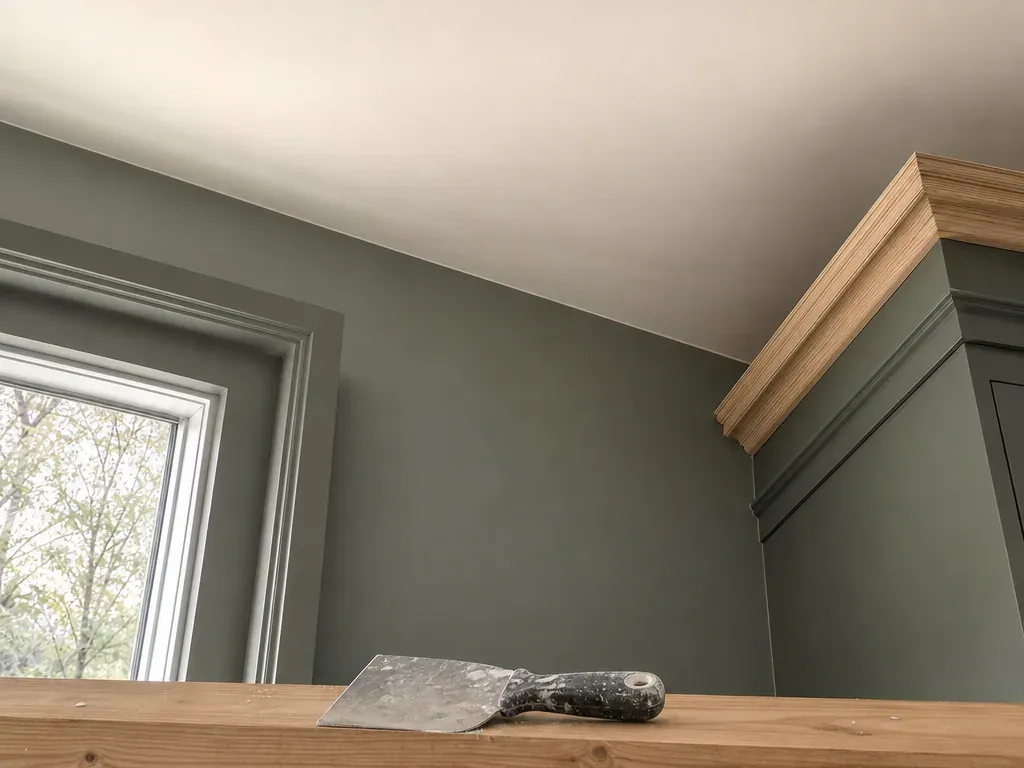
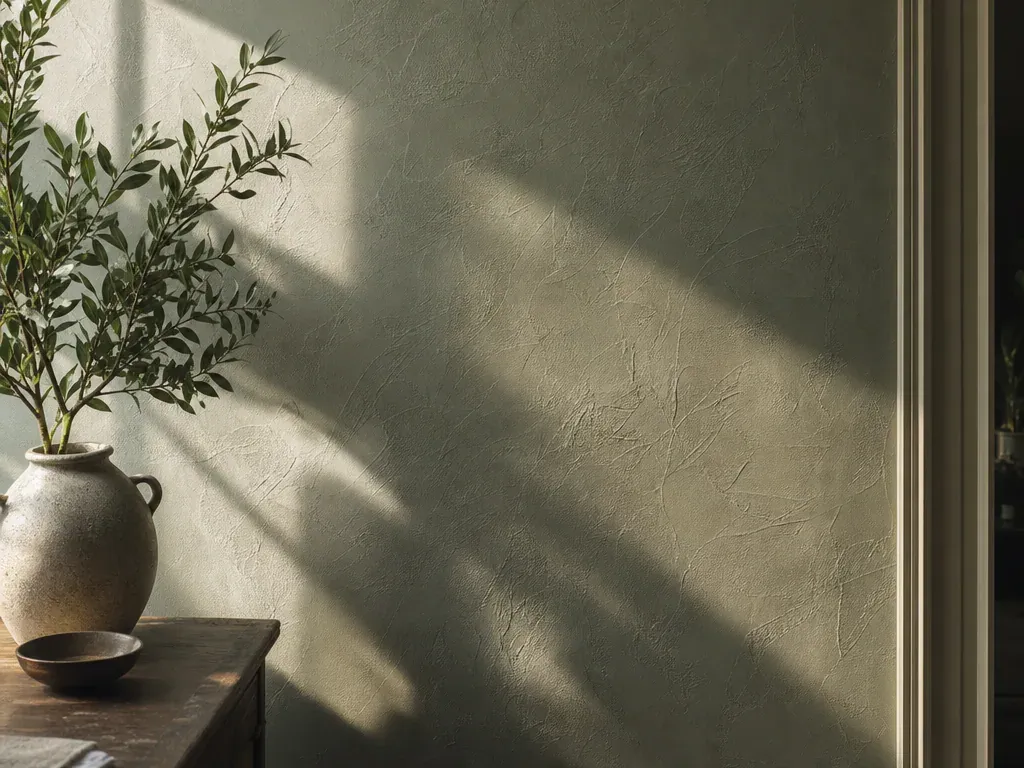
Matching existing texture is critical when patching an older wall. We identify the pattern—knockdown applied with a hopper gun then flattened with a knife, orange peel sprayed fine and left as-is, skip trowel hand-applied with a wide trowel for a rustic look, or slap brush texture stippled with a brush. Once we match the pattern on the patch, priming and painting blend it in.
Many Montebello homes date to the 1940s–60s and have original plaster-to-drywall transitions. Settling cracks are common. The coastal-influenced humidity combined with older stucco exteriors increases moisture intrusion risk, so we use moisture-resistant board in kitchens, bathrooms, and laundry rooms. We also serve Pico Rivera and South San Gabriel, where similar building patterns mean similar repair needs.
Moisture-resistant board—green or purple board—should be chosen over standard gypsum in areas prone to condensation or splash. Fire-rated Type X assemblies are required at garage-to-living space walls per code. Exterior insulation and finish systems combine rigid foam insulation, base coat, mesh, and finish coat to create a stucco-look exterior that performs better than traditional stucco.
Textured finishes are still common in Montebello's mid-century homes and apartment buildings, especially on ceilings. Popcorn texture, orange peel, and knockdown finishes hide imperfections and cover patching work, but they also trap dust and can be difficult to match if you need to repair a section without redoing the whole room. We spray texture using the same materials and techniques the original contractors used, so the repair blends in instead of standing out as a patch.
Most drywall damage we see falls into a few patterns. Foundation settling cracks appear along corners and where walls meet ceilings in homes near Bluff Road and Washington Boulevard—the…
We hang drywall on metal studs and wood framing, with standard 1/2 inch gypsum board on 16 inch on-center studs for living spaces.
The three-coat process starts with a tape coat to embed joint compound into mesh tape over seams. The fill coat builds coverage, and the finish coat feathers the joint smooth.
Matching existing texture is critical when patching an older wall. We identify the pattern—knockdown applied with a hopper gun then flattened with a knife, orange peel sprayed fine and left…
Many Montebello homes date to the 1940s–60s and have original plaster-to-drywall transitions. Settling cracks are common.
Moisture-resistant board—green or purple board—should be chosen over standard gypsum in areas prone to condensation or splash.
Why homeowners call us
Every drywall job is scoped and priced in writing, so the number you approve is the number you pay. If something behind the wall changes the work, we stop and price it first.
You speak to the people doing the work, not a call centre, and cover certificates go to your building manager or general contractor on request.
Containment, floor protection and same-day debris removal on every interior job — the space stays usable while the work is going on.
Crews work Montebello and the surrounding cities every week, so a walkthrough is usually available within the same week you call.
FAQ
Repair the damaged section if the framing is sound and the area is isolated. Cut back to the nearest studs, patch with new gypsum board, tape and finish. Full wall replacement is only necessary if the wall is structurally compromised, extensively water-damaged, or if mold remediation requires removal of a large section.
We identify the existing texture type by visual inspection and test spray on cardboard. We then apply the same pattern—knockdown, orange peel, skip trowel, or slap brush—to the patched area before priming and painting so the texture blends seamlessly with the surrounding wall.
Small patches take one to two days including three coats of mud and sanding. Larger repairs or new installations depend on square footage, finish level, and material on hand. The three-coat mudding process requires 24-hour dry time between coats, so schedule accordingly.
Call (213) 555-0110 and we will come out and price the work in writing.