Soundproof Drywall Installation Options In Glendale
Soundproof drywall installation is not one method—it's a choice between approaches that trade cost, performance, and disruption against each other.
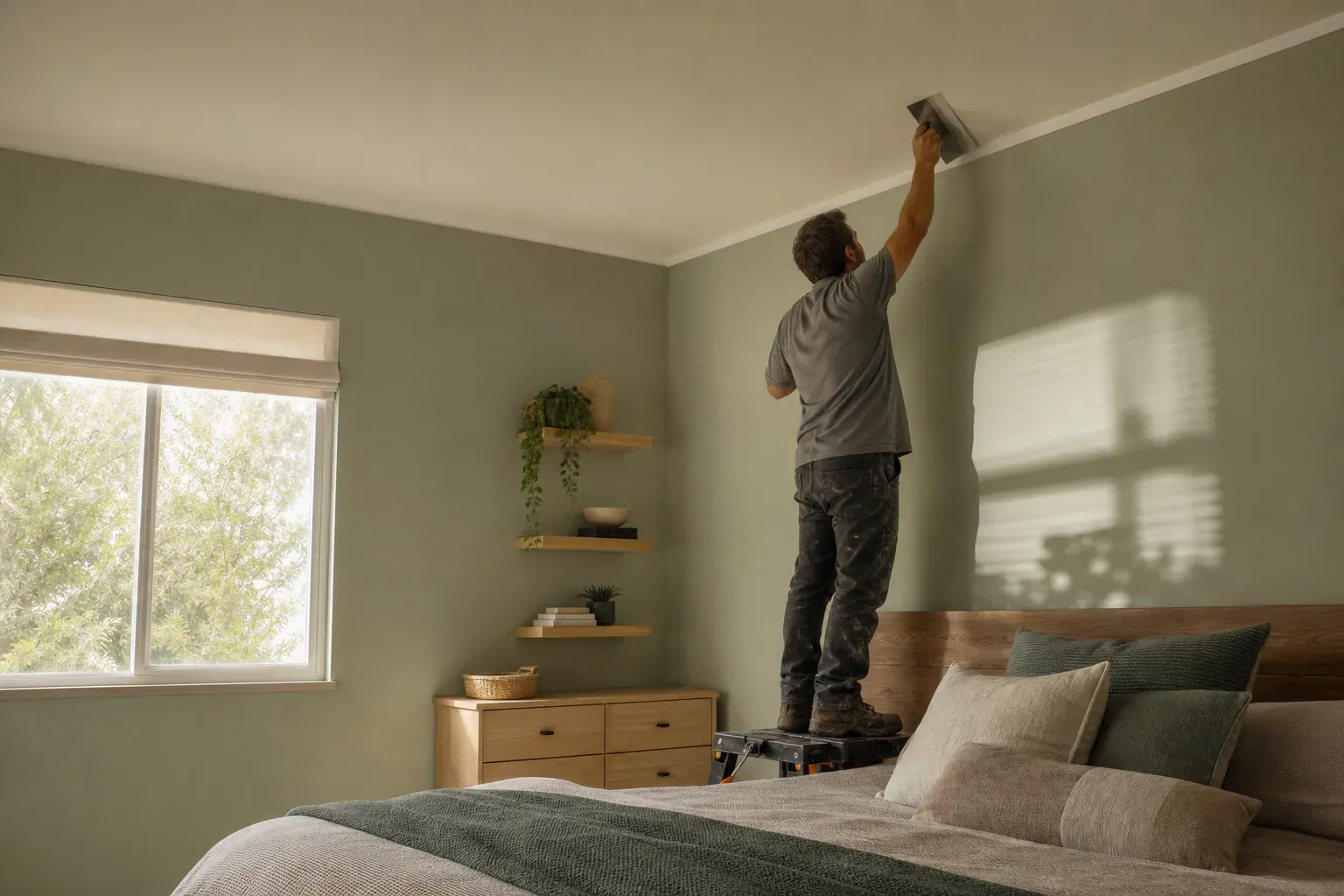
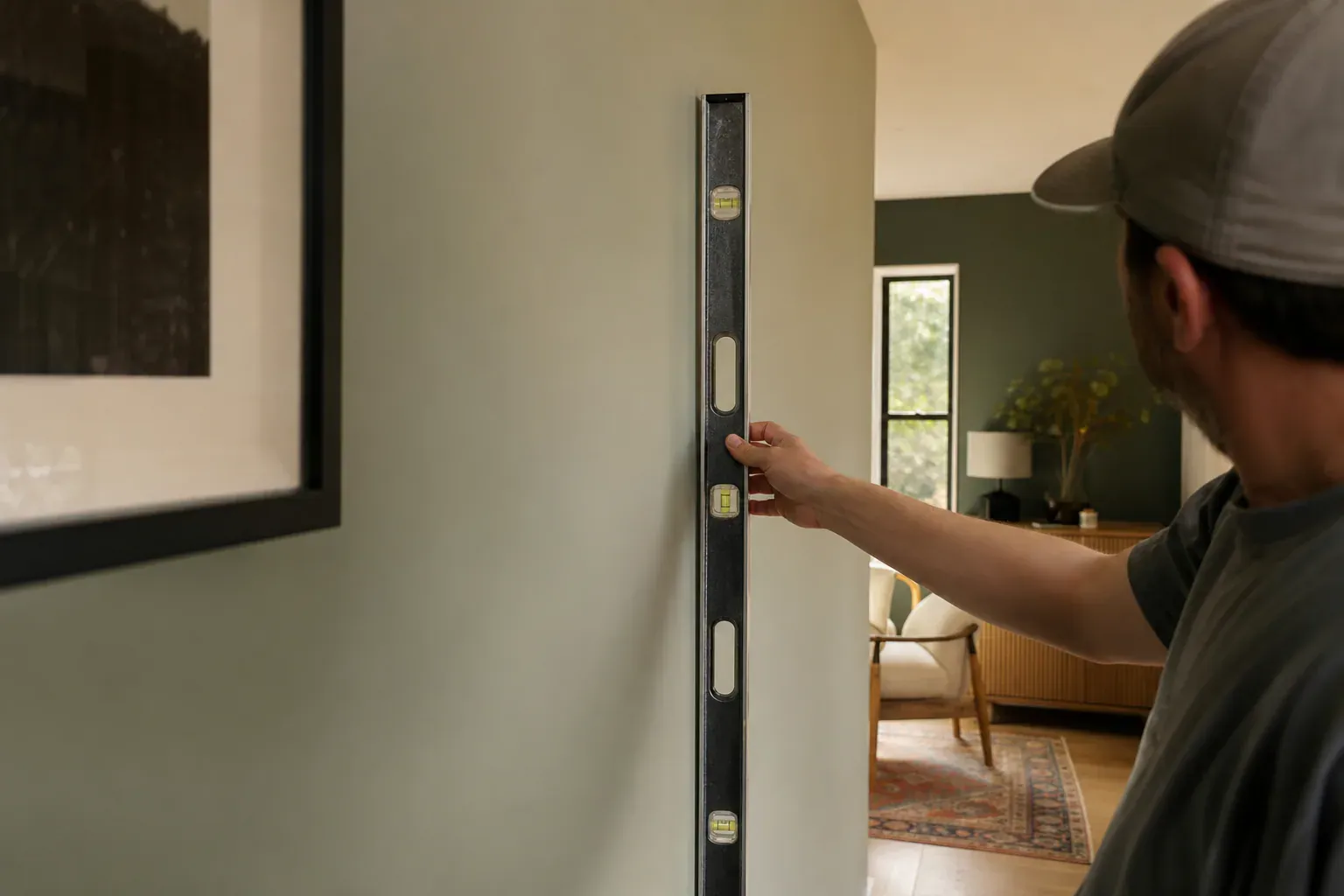
Glendale Quality Drywall installs, tapes and finishes soundproof drywall installation for homeowners and builders across Glendale, CA. We handle complete soundproof wall construction from framing through final paint, retrofit dampening on existing walls, and the sealing work that separates a high-performance assembly from an expensive disappointment.
Soundproof drywall installation is not one method—it's a choice between approaches that trade cost, performance, and disruption against each other. A standard single-layer wall with 1/2 inch drywall on wood studs rates around Sound Transmission Class (STC) 33-35, which blocks nothing the neighbors care about. Adding mass-loaded vinyl, acoustic drywall panels, or resilient channels moves you into STC 50+ territory, where conversations and footsteps stop being your problem.
Standard 1/2 inch gypsum board is gypsum sandwiched by paper. Sound-dampening drywall cores use high-density gypsum, viscoelastic polymer layers, or ceramic soundproofing materials bonded into the panel. A quiet rock panel costs roughly 50-80% more than standard board but delivers drywall soundproofing performance in a single layer where regular board needs two.
The drywall soundproofing cost comparison matters in labor. Two layers of standard drywall require two hanging operations, two sets of taping, two sets of sanding. One layer of acoustic drywall panels means one hanging, one taping cycle. However, a single quiet rock panel reaches only STC 45-48 alone. Double-layer 5/8 inch drywall assemblies with proper air gaps commonly reach STC 45-50. Adding green glue compound between those layers pushes to STC 60+. A single specialty panel plus one layer of regular drywall over green glue can match that for less material cost.
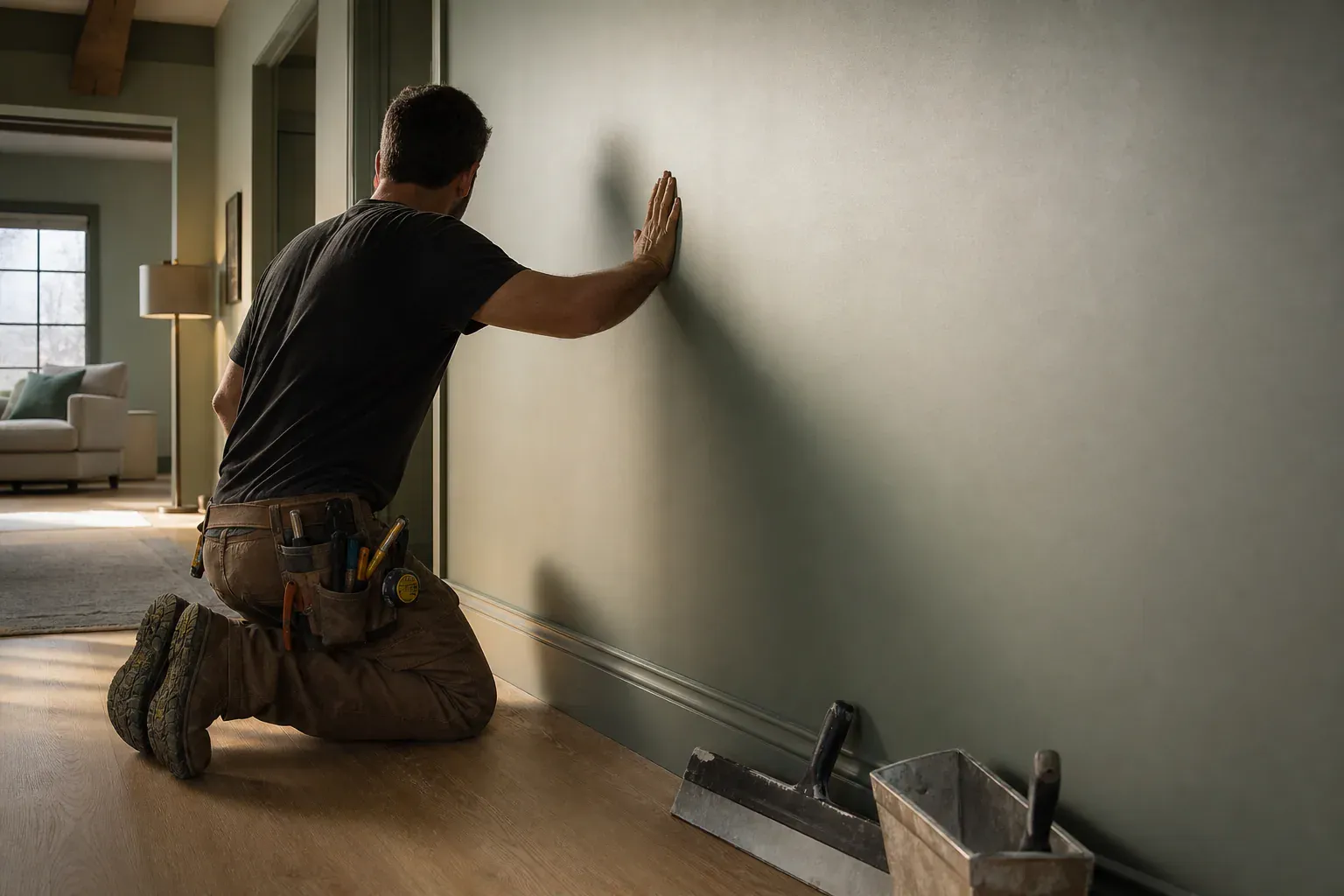
Soundproof wall construction methods follow a fixed order. Resilient channels are installed perpendicular to wall studs and joists, typically at 24 inch on-center spacing. The channel is a springy steel runner that decouples the drywall from the framing. If a screw bridges through that channel into the stud, the acoustic isolation is destroyed instantly—sound travels the metal path as if the channel weren't there. That failure is common with careless crews.
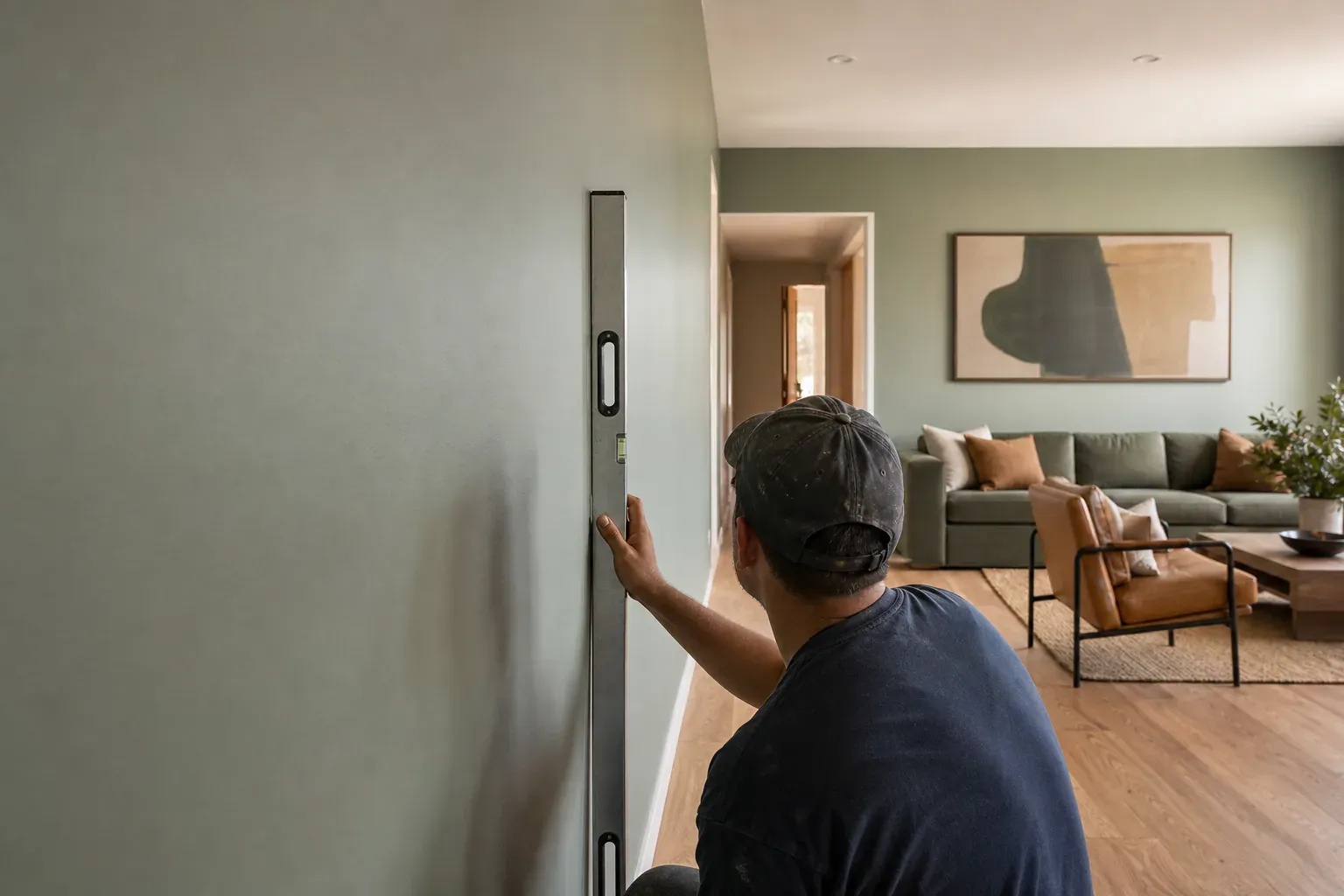
Green glue soundproofing compound is a viscoelastic polymer applied between two layers of drywall. It is not glue. It does not bond the layers. It absorbs vibrational energy as the layers flex slightly against each other when sound energy passes through the assembly.
Mass-loaded vinyl is a polymer sound barrier draped over studs before drywall hangs. It adds mass to the assembly without requiring cure time. Mass-loaded vinyl typically rates STC 27 by itself. It is often combined with resilient channels and insulation as a middle-ground approach between budget soundproofing solutions and full high-performance assembly.
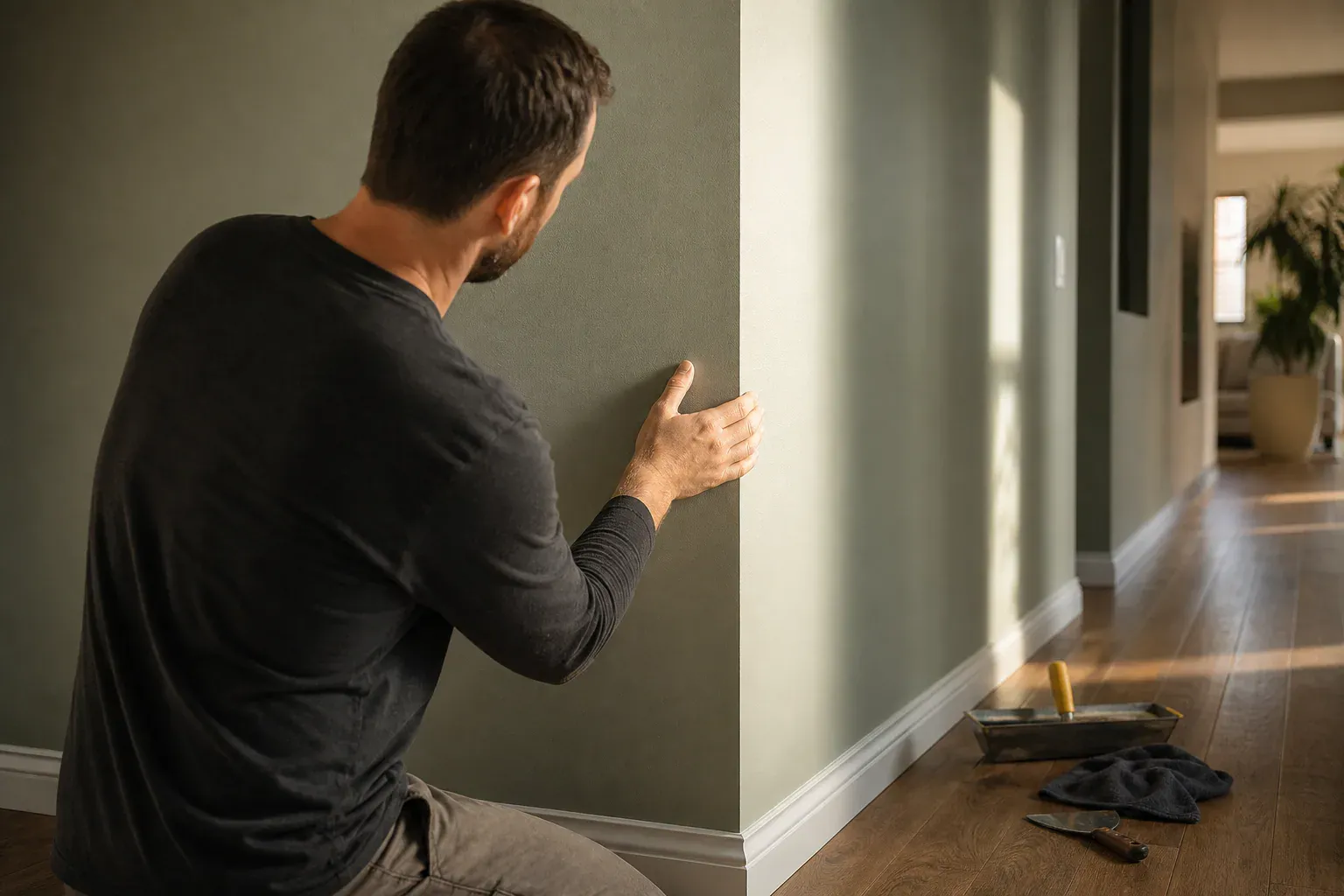
An unsealed 1/4 inch gap at the baseplate undercuts an STC 60 wall to STC 35. Sound travels the easiest path. Acoustic sealant is applied in a continuous bead at the top and bottom plates before drywall goes up. The sealant remains flexible after curing and does not crack and gap as the house settles.
Joint compound is applied in a first coat, with drywall tape installation embedding the tape into the wet compound. The tape bridges the joint and prevents cracks. Two more coats of joint compound are feathered wider with each pass—typically 6 inch taping knife for the second coat, 10 inch for the third—so the compound feather blends with the drywall face. Corner bead reinforces outside corners. Sanding follows curing, then primer and paint.
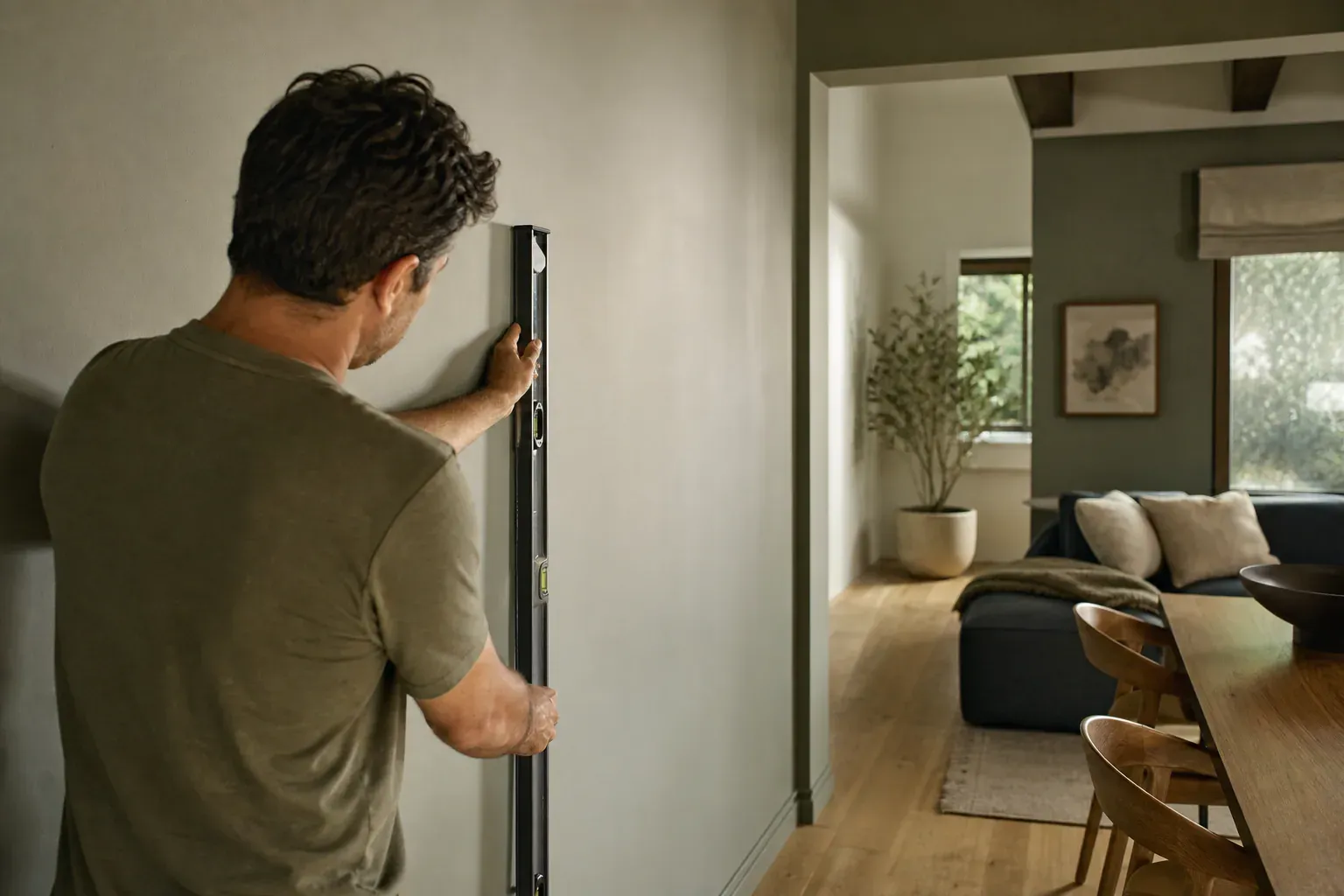
A wall rated STC 55 with a hollow-core door rates STC 20 for the room. The door is the weakest link. A solid-core door rated STC 35-40 raises the room. Door gaskets and drop seals close the gap at the threshold and sides. An automatic drop seal on the bottom closes as the door shuts.
Windows are the next weak point. Soundproofing window treatments like secondary glazing, laminated glass, or heavy acoustic curtains reduce noise transmission. A single pane transmits most airborne noise. Laminated glass or two panes with different thicknesses decouple the vibration paths and lower the STC of the opening significantly.
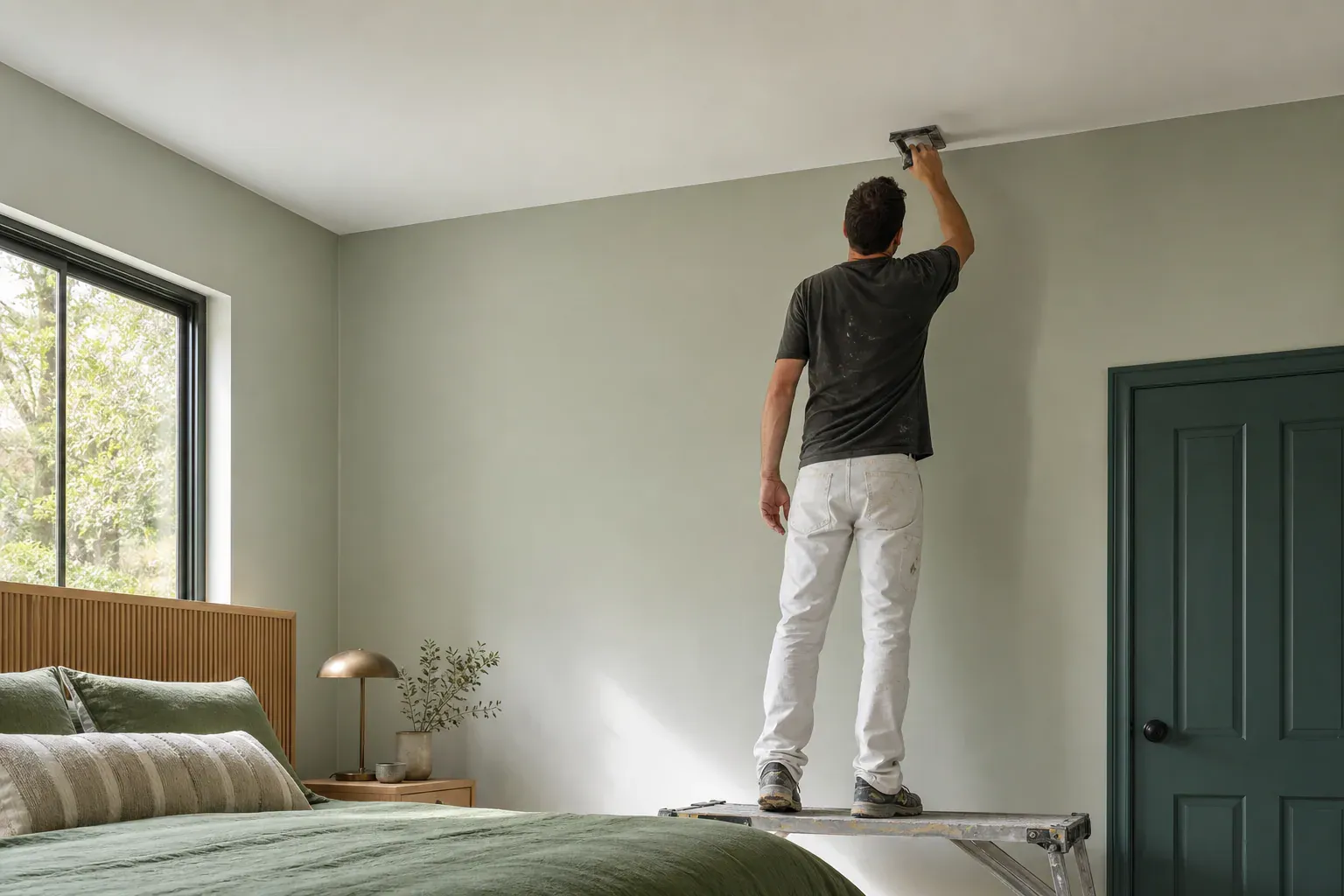
A single-room double-layer drywall installation without green glue typically completes in 2 days. Adding green glue and a full curing period extends to 3-4 days of on-site work. Primer and paint add a fifth day.
Common mistakes that ruin performance include forgetting acoustic sealant at the top and bottom plates, failing to fill the entire stud cavity with insulation, spacing fasteners too far apart, and rushing green glue application with incomplete coverage. Many crews assume the damping compound activates immediately; if the second layer is not screwed tight during the first 48 hours, the contact between layers remains loose and damping never develops. Existing drywall retrofit work sometimes misses electrical boxes on the far side of the wall. Those boxes are still holes. We seal them from the far side before adding layers.
Soundproof drywall installation is not one method—it's a choice between approaches that trade cost, performance, and disruption against each other.
Standard 1/2 inch gypsum board is gypsum sandwiched by paper. Sound-dampening drywall cores use high-density gypsum, viscoelastic polymer layers, or ceramic soundproofing materials bonded…
Soundproof wall construction methods follow a fixed order. Resilient channels are installed perpendicular to wall studs and joists, typically at 24 inch on-center spacing.
Green glue soundproofing compound is a viscoelastic polymer applied between two layers of drywall. It is not glue. It does not bond the layers.
An unsealed 1/4 inch gap at the baseplate undercuts an STC 60 wall to STC 35. Sound travels the easiest path.
A wall rated STC 55 with a hollow-core door rates STC 20 for the room. The door is the weakest link. A solid-core door rated STC 35-40 raises the room.
Why homeowners call us
Every drywall job is scoped and priced in writing, so the number you approve is the number you pay. If something behind the wall changes the work, we stop and price it first.
You speak to the people doing the work, not a call centre, and cover certificates go to your building manager or general contractor on request.
Containment, floor protection and same-day debris removal on every interior job — the space stays usable while the work is going on.
Crews work Glendale and the surrounding cities every week, so a walkthrough is usually available within the same week you call.
FAQ
Material cost for soundproof drywall installation runs 40-100% higher than standard drywall, depending on whether you choose acoustic drywall panels, green glue compound, or mass-loaded vinyl. Labor for an additional layer and decoupling work typically adds 50-70% to a standard hanging and finishing cost. Retrofit work over existing drywall is cheaper per square foot than full assembly work.
Regular drywall alone—even two layers—blocks only STC 40-45, which muffles but does not stop conversation. For meaningful soundproofing, you need either acoustic drywall panels, green glue compound between layers, or a combination of resilient channels, insulation, and proper sealing. If your only goal is slightly quieter sound, regular drywall helps. If you need actual isolation, specialty components matter.
Yes. A retrofit assembly adds layers of drywall, green glue compound, and acoustic sealant over existing drywall without demo. This approach is slower than full assembly work because you are building outward into the room, and the result is not quite as good as building from the framing. Retrofit work is effective for renters and for budgets that cannot support demolition and rebuilding.
Sound Transmission Class is a numerical rating of how much airborne sound energy passes through a material or assembly. A higher STC number means less sound gets through. STC 30-35 is a standard wall. STC 50-55 stops most conversation. STC 60+ stops traffic noise and loud music. Different rooms need different STC targets based on the noise you are trying to block.
Green glue is a viscoelastic polymer applied between two layers of drywall. As sound vibration passes through the assembly, the layers flex slightly against the compound, which absorbs and dissipates the energy as heat. The compound must cure over 30 days and both drywall layers must be screwed tight for the damping effect to work. Incomplete contact or loosely fastened layers reduce performance.
Double-layer regular drywall reaches STC 45-50 if properly installed with resilient channels and full insulation fill, which is decent but not excellent. Adding green glue compound between those layers raises it to STC 55-60+. Going from two layers of standard drywall to two layers of acoustic drywall panels and resilient channels improves performance without green glue. The right combination beats any single approach.
Call (213) 555-0110 for a walkthrough, usually within the same week.